⚡ Quick Answer: A professional roof inspection in Edmonton costs between $0 and $500, depending on the type. Most reputable roofing companies — including Roof It Right — offer free visual inspections as part of a repair or replacement quote. Standalone inspection reports start at $150 for a basic ground-level check and up to $400–$500 for thermal imaging or drone inspections. A free quote inspection is usually the best starting point for any homeowner.
When you search “roof inspection near me” in Edmonton, you’re probably dealing with one of three situations: a suspected leak, storm damage you need documented for insurance, or you’re buying or selling a home and need a formal condition report.
Each of these situations calls for a different type of inspection — and each has a different price. This guide breaks down exactly what you’ll pay, what each inspection includes, and when the free inspection is genuinely the right choice versus when you need to pay for something more formal.
Types of Roof Inspections Available in Edmonton — and What They Cost
| Inspection Type | Estimated Cost | Best For | Report Provided? |
|---|---|---|---|
| Free visual inspection / repair quote | $0 | Suspected leak, general condition check, repair estimate | Verbal + written quote |
| Basic standalone inspection (ground + roof access) | $150 – $250 | Pre-purchase checks, peace of mind, condition verification | Written report with photos |
| Drone inspection | $200 – $350 | Steep or inaccessible roofs, large commercial properties | Video + photo report |
| Thermal imaging inspection | $300 – $500 | Identifying hidden moisture, attic rain verification, insurance claims | Thermal + written report |
| Full home inspection (roof included) | $450 – $700 | Home purchase (done by certified home inspector) | Full certified report |
Is a Free Roof Inspection Worth It? What’s Actually Included
Most homeowners are skeptical of “free” inspections — and that’s fair. But at a legitimate roofing company, a free inspection is essentially a diagnostic service tied to a quote process. What’s included:
- Visual inspection of all shingles from the roofline and roof access
- Check of all flashings (chimney, valleys, pipe boots, drip edge)
- Assessment of any visible damage, lifting, or wear
- Gutters and downspout check
- Photos of any problem areas
- Written estimate for any repairs identified
What a free inspection typically does not include: attic inspection (unless specifically requested), thermal imaging, formal written condition reports for insurance or legal purposes, or certified home inspector credentials.
Learn more about our professional roof inspection service in Edmonton →
When You Should Pay for a Formal Roof Inspection in Edmonton
1. You’re Buying or Selling a Home
If you’re purchasing a home in Edmonton, a free inspection by the seller’s preferred roofer has a conflict of interest. Pay $150–$250 for a standalone inspection or include it in your general home inspection. For homes built before 2000, a dedicated roof and attic inspection is almost always worth the cost given Edmonton’s climate impact on older rooflines.
2. You Have an Insurance Claim
After hail, wind, or storm damage in Edmonton, an independent roof inspection report that documents the damage with photos and written findings is critical for your insurance adjuster. A formal report ($200–$350) is often worth every dollar when it supports a claim worth thousands. See our complete guide on roof insurance claims in Edmonton for more context.
3. You Suspect Hidden Moisture or Attic Rain
A standard visual inspection cannot detect trapped moisture beneath shingles or inside your attic. If you’ve had recurring ceiling stains that appear during Chinook thaws, a thermal imaging inspection ($300–$500) is the most accurate diagnostic tool available. It identifies moisture that is invisible to the naked eye. Learn more about the difference between attic rain and a roof leak.
What Does a Roof Inspector Actually Look For in Edmonton?
A thorough Edmonton roof inspection covers the following areas — each of which is specifically affected by our climate:
Shingle Condition
- Granule loss (accelerated by UV and freeze-thaw cycling)
- Curling, cupping, or cracking at shingle edges
- Missing, displaced, or blown-off shingles (see our guide on missing shingles after wind in Edmonton)
- Blistering from heat or manufacturing defects
Flashing and Sealing
- Chimney flashing separation or rust
- Valley flashing integrity (ice dam damage is common here)
- Plumbing vent boot condition (rubber degrades in Edmonton cold)
- Drip edge integrity along fascia board
Structural and Ventilation Check
- Sagging or uneven roof plane (indicates possible decking issues)
- Soffit and ridge vent blockage
- Evidence of past ice dam formation or water channeling
How Often Should Edmonton Homeowners Get a Roof Inspection?
| Situation | Recommended Frequency |
|---|---|
| General maintenance — roof under 15 years old | Every 3–5 years |
| Roof 15–20+ years old | Every 1–2 years |
| After any major hailstorm or high wind event | Within 30 days of the event |
| Before listing your home for sale | At least 60 days before listing |
| After purchasing a home | Within the first 30 days |
| If you notice any ceiling stains or visible damage | Immediately |
What Affects Roof Inspection Cost in Edmonton?
The factors that push an inspection toward the higher end of any price range:
- Roof size and complexity — Multi-slope roofs with dormers and valleys take longer to inspect thoroughly than a simple gable roof.
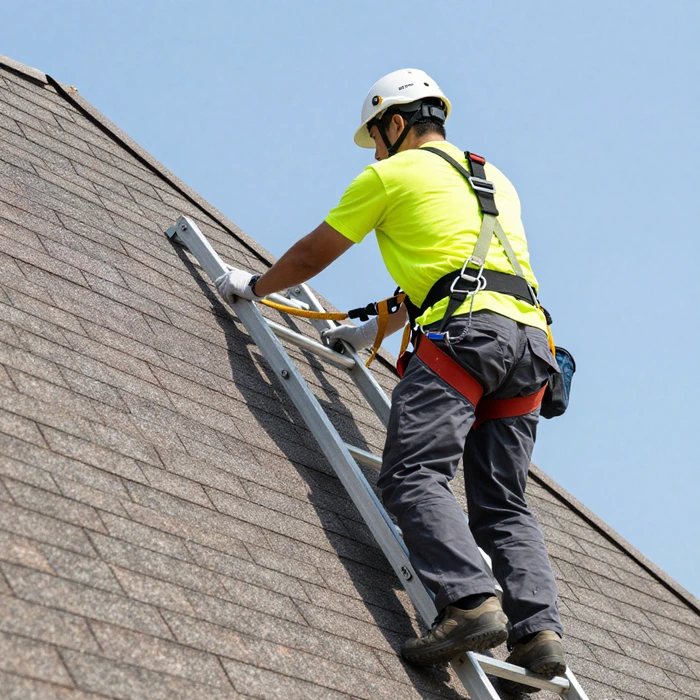
- Roof pitch — Steep roofs (8/12 pitch or higher) require additional fall protection equipment under Alberta OHS regulations, which increases labor time.
- Attic inspection included — If you want your attic inspected as well (which we always recommend during winter months to check for attic rain), this adds 20–45 minutes of inspection time.
- Report formality — A verbal summary costs nothing. A full written inspection report with photos and condition ratings takes time to prepare and is reflected in the price.
Book Your Free Roof Inspection in Edmonton
At Roof It Right, our free roof inspection includes roof access, photos of any issues, and a clear written quote. No pressure. No upsell.
Frequently Asked Questions: Roof Inspection Cost Edmonton
Do I need a separate roof inspection when buying a home in Edmonton?
Not necessarily — most home inspectors check the roof as part of a general inspection. However, they often do so from the ground with binoculars and won’t access the roof surface. If the home is older than 15 years or the home inspector flags any concerns, a dedicated roof inspection by a licensed roofer is a worthwhile additional cost.
How long does a roof inspection take?
A typical residential inspection in Edmonton takes 30–60 minutes for a standard bungalow or two-storey home. Complex roofs with multiple slopes, dormers, or skylights may take 90 minutes. An inspection that also includes the attic adds approximately 30–45 minutes.
Can I claim a roof inspection on my home insurance?
Inspection costs are generally not covered by insurance unless the inspection is performed specifically to document storm or hail damage as part of an active insurance claim. In that case, the inspection report becomes part of your claim documentation.
What’s the difference between a roofer’s inspection and a home inspector’s roof inspection?
A certified home inspector provides a general condition report from a liability standpoint. A professional roofer performing an inspection has hands-on, material-specific knowledge and will typically get onto the roof surface to assess shingle-level details. Both have value — they serve different purposes.
Is a drone inspection accurate enough to replace a hands-on inspection?
Drone inspections are useful for inaccessible or very steep roofs and provide excellent photo documentation for insurance claims. However, they cannot assess shingle texture, sealant flexibility, flashing movement, or granule loss the way a hands-on inspection can. Drone inspections are best used as a supplement, not a replacement.